

Shopify prices a website. Most businesses here are running a catalogue, a set of sellers, a delivery team, and a phone-shaped storefront that customers expect to install.
Last year a furniture dealer in Jaipur sent us a screenshot of his monthly software spend and asked us to find the mistake in it. There wasn’t one. The Shopify plan was the smallest line on the list.
Under it sat an app builder, a multi-vendor plugin he had added when two other showrooms wanted to list stock, a booking tool for in-home consultations, a delivery tracker, and a theme he had bought outright the year before. Every one of those was something Shopify had told him to go and find in the App Store. Most people who come to us looking for a Shopify alternative arrive with a version of that same screenshot.
So this is the comparison worth having. Not two feature lists sitting side by side. What the thing costs once it is actually running your business.
The plan is the cheap part
Here is the pattern, and we see some version of it most weeks. A business starts on a mid-tier Shopify plan. Within three or four months they have added:
an app builder, because customers keep asking where the app is
a multi-vendor plugin, once a second seller wants to list
a bookings app, if any part of what they sell is a service rather than a product
a dispatch tool, because courier APIs do not cover the delivery boy on your own payroll
a premium theme, bought once, usually somewhere between ₹12,000 and ₹40,000
Each of those is a sensible decision on its own. Stacked together they usually cost more than the plan sitting underneath them. And each one is a different company, a different login, and a different thing that can go down in the middle of your sale.
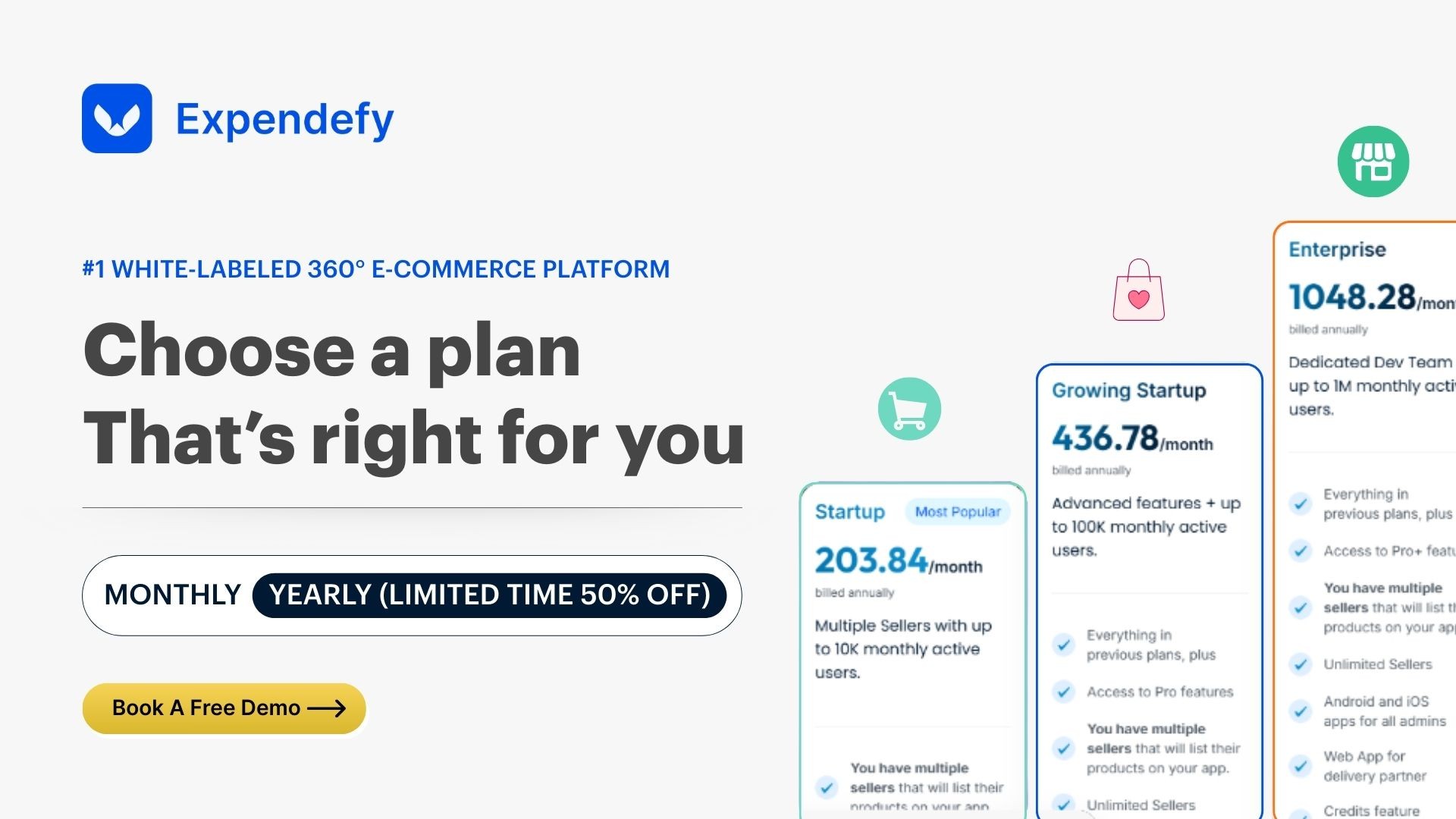
Our answer to this is boring. It is one plan. The apps, the marketplace, the bookings, the delivery, the themes, the support. There is a one-time setup fee and then a monthly plan, and that is the bill.
“Native app” does not mean what most people think
This is the one that catches businesses out. Shopify does not give your customers your app. The Shop app belongs to Shopify. It carries Shopify’s branding, it contains Shopify’s other merchants, and your store is one of thousands inside it. If you want your own icon sitting on a customer’s home screen, you pay a third-party app builder every month for as long as you want that app to exist.
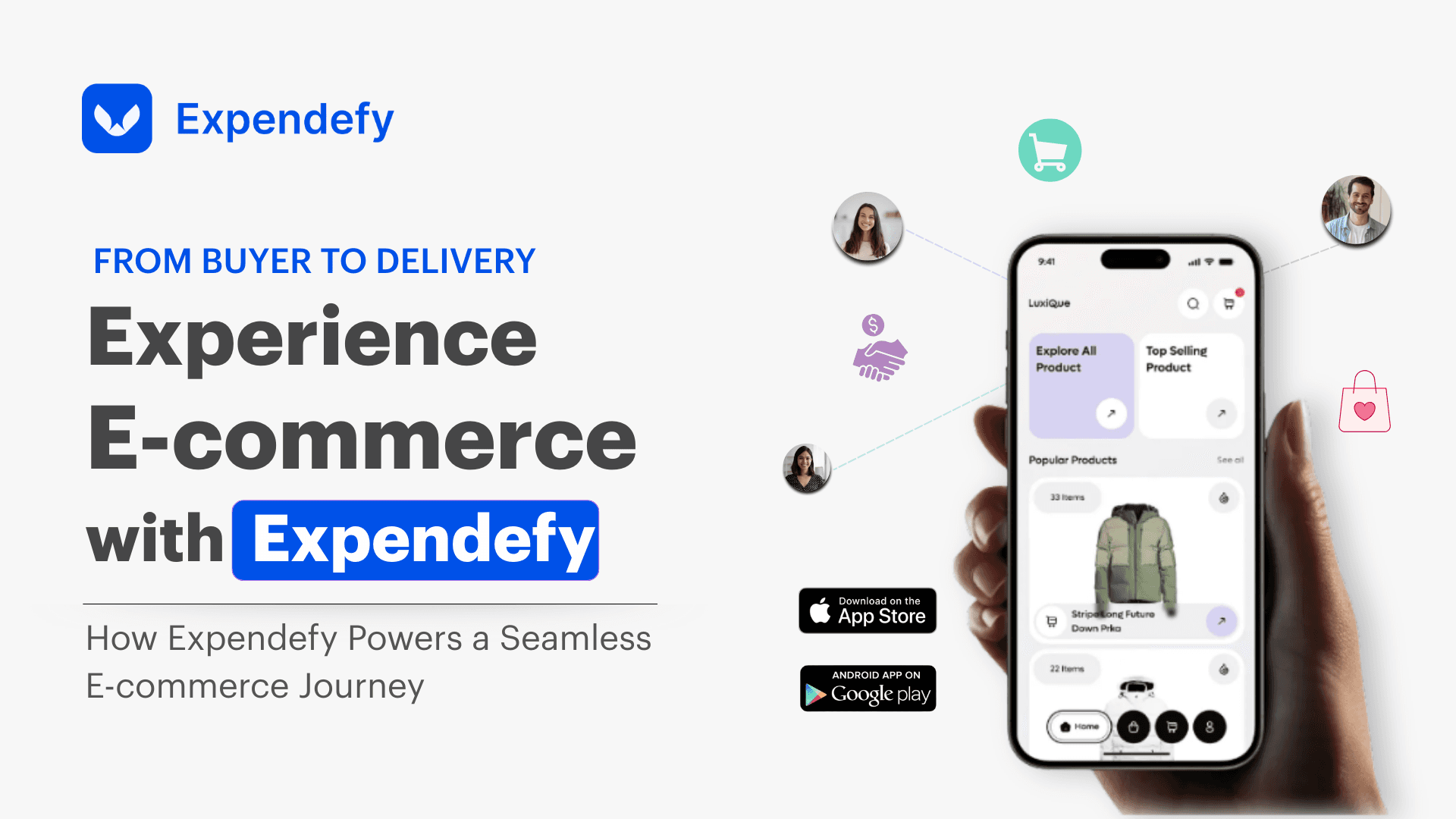
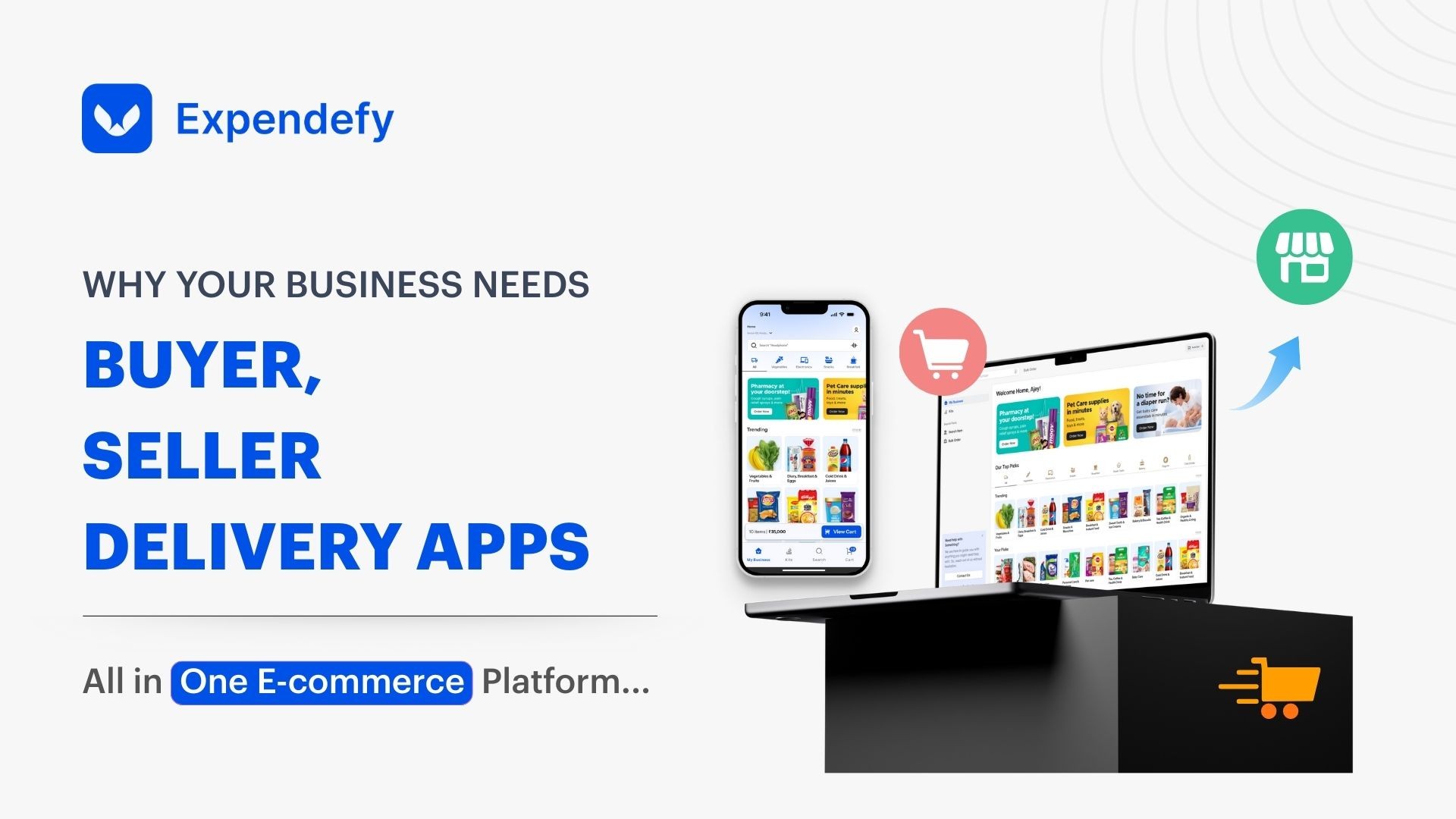
1D2C ships three apps and all three are yours. One for buyers, one for your sellers, one for your delivery riders. They go to the App Store and Play Store under your developer account, white-labelled with your name, your icon and your colours. We build them per client, which is why a pharmacy’s buyer app does not come out looking like a truck-parts supplier’s.
The seller app is the one with no Shopify equivalent at all. Your vendors accept orders, update stock, change prices and pull invoices from their phone. Not from a browser tab they forget to open.
Shopify assumes there is only one of you
Shopify is built around a single merchant selling their own products, and that assumption runs all the way through the product. It is why every marketplace built on Shopify is a plugin bolted onto the side of something that was never shaped for it.
Run a marketplace and you need things that are awkward there and ordinary here:
sellers who sign themselves up and sit in an approval queue
different prices from different sellers for the same product
buyers who only see sellers within a sensible distance of where they are standing
payouts that split per seller, per order
Seller pricing is worth spelling out. You decide whether your vendors set their own prices or whether the admin locks them, which matters the day you onboard a seller you do not entirely trust yet. Search radius is a number in kilometres in your admin panel, so a customer in Andheri is not shown a shop in Thane.
Delivery is usually where it falls apart
Courier integrations are the easy half and both platforms handle them. The hard half is your own people.
Plenty of businesses deliver some of their own orders. A pharmacy with two bikes. A furniture shop with a tempo. A restaurant group with ten riders on salary. Shopify has nothing to hand that rider. You end up running it over WhatsApp, or buying a dispatch tool and reconciling it by hand at the end of the week.
We give the rider an app. Orders land on their phone, they mark pickup and drop, the customer watches it move on a map, and your admin sees the same thing they do. Rider assignment has its own radius setting, kept separate from the customer search radius, so nobody gets sent across the city for a two kilometre drop.
If you sell time instead of things
Shopify sells products. If your business sells appointments, home visits, repairs, consultations or pujas, you are going to install a booking app and hope it talks to the rest of your store.
On 1D2C this is a setting. A store runs in product mode or service mode. Service mode gives you time slots, a booking calendar, reminders that reach the seller before the appointment, and the option for the seller to travel to the customer instead of a delivery happening at all. PanditPro, which books pandits for pujas at people’s homes, runs on exactly that.
Quick commerce works the same way. Instant orders are a toggle, not a rebuild.
The percentage you forget to budget for
Use Shopify Payments and you pay card rates like anywhere else. Use any other gateway and Shopify adds a transaction fee on top of what your gateway is already charging you. The fee drops as you climb the plans and it does not fully disappear until you are on Plus.
On a small store that is noise. At ₹40 lakh a month it is somebody’s salary.
We take zero percent of your orders. Use Razorpay, use Cashfree, use whatever your bank talked you into. We are not sitting in the middle of your money.
A store is not a brand
Shopify sells you the tools and then steps back. That is a legitimate model and it is the reason the app store exists. You decide what the storefront looks like, you find someone to build the app, you hire someone else to write the ads and shoot the creative, and you work out for yourself whether any of it is landing. The platform’s job finishes at checkout.
We work the other way round. The website, the buyer app, the seller app and the rider app are one build, and the marketing sits on the same stack: Meta and Google campaigns, the creative that goes in them, app install campaigns, WhatsApp broadcasts, and the app event wiring that lets you see which ad produced which order. One team, one brand, one set of assets.
That matters more than it sounds. Most small brands lose the thread somewhere between the storefront and the advertising. The website says one thing, the app is a bought template that says something else, and the ads are run by an agency that has seen neither. You pay three vendors to build one confused impression of your business.
The line on our own homepage is that there is no shortage of online stores, there is a shortage of stories people care about. Shopify is very good at the first half of that sentence. The second half is the part it leaves to you.
So who belongs on what
Go with Shopify if you are a single brand with a web-first catalogue, you want the largest plugin market available to you, and an app is a nice-to-have rather than the main way people will buy from you.
Go with 1D2C if any of this is true: your customers keep asking for an app, you have more than one seller, you deliver with your own people, you sell services or time slots, the per-transaction cut has started showing up in your P&L, or you want the storefront, the app and the advertising to come from one team instead of three.
The honest version is that these are not quite the same category of product. Shopify builds online stores very well, and it expects you to build the brand around it. We build the platform and the brand together, the apps and the operations and the marketing that runs through them. That is usually why the decision comes down to what your business actually does on a Tuesday rather than which feature list runs longer.
If you want the line by line version, there is a full feature comparison here. Pricing is on this page. If you would rather just ask a person, the number at the top of this page goes to one.
Shopify changes its plans and app pricing fairly often. Everything above was checked in September 2026.